For many parents, the arrival of the summer holidays brings mixed emotions. On the one hand, it is wonderful to have more time with your children. On the other, the thought of six weeks without the usual routine can feel overwhelming. How do you keep them occupied? How do you limit screen time? And how do you make the holidays meaningful without exhausting yourself?
The first thing to remember is this: don’t compare your family to what you see on social media.
It is easy to scroll through picture-perfect family outings, elaborate craft projects, and expensive holidays and feel as though you are not doing enough. But every family is different. Every household has different circumstances, budgets, and responsibilities. What works for one family may not work for another. Your current health, financial situation, or family and work commitments may look very different from someone else’s.
Remember that children rarely measure love by how much money is spent or how many activities are planned. More often, they remember the parents who played with them, listened to them, laughed with them, and made them feel seen.
A Time to Slow Down
Modern life is busy. During term time, we often rush from one commitment to the next. School and madrasah runs, homework, work, shopping, and household responsibilities leave little room for slowing down.
The summer holidays offer something precious: the chance to be intentional.
Use this time to worship Allah with more presence and intentionality, and let your children observe this in your daily life.
Help them cultivate habits that will, inshaAllah, continue long after the holidays have ended. Sit together in the morning or before Maghrib to recite the morning and evening adhkār as a family. If the weather allows, recite the adhkār outdoors and reflect on Allah’s creation together.
Spend some one-to-one time with each child where they have your full attention. Listen to their thoughts, answer their questions, and enjoy unhurried conversations.
These small moments are often the ones children remember most.
Make the Qur’an Part of Every Day
The holidays are a wonderful opportunity to strengthen your family’s relationship with the Qur’ān.
Hold a Qur’ān circle every day. Keep it simple and age appropriate. Recite a few verses together, discuss their meanings, share stories, and ask reflective questions. Even ten or fifteen minutes each day can have a lasting impact.
The goal is not simply to finish pages but to help children love Allah’s Book and see it as guidance for everyday life.
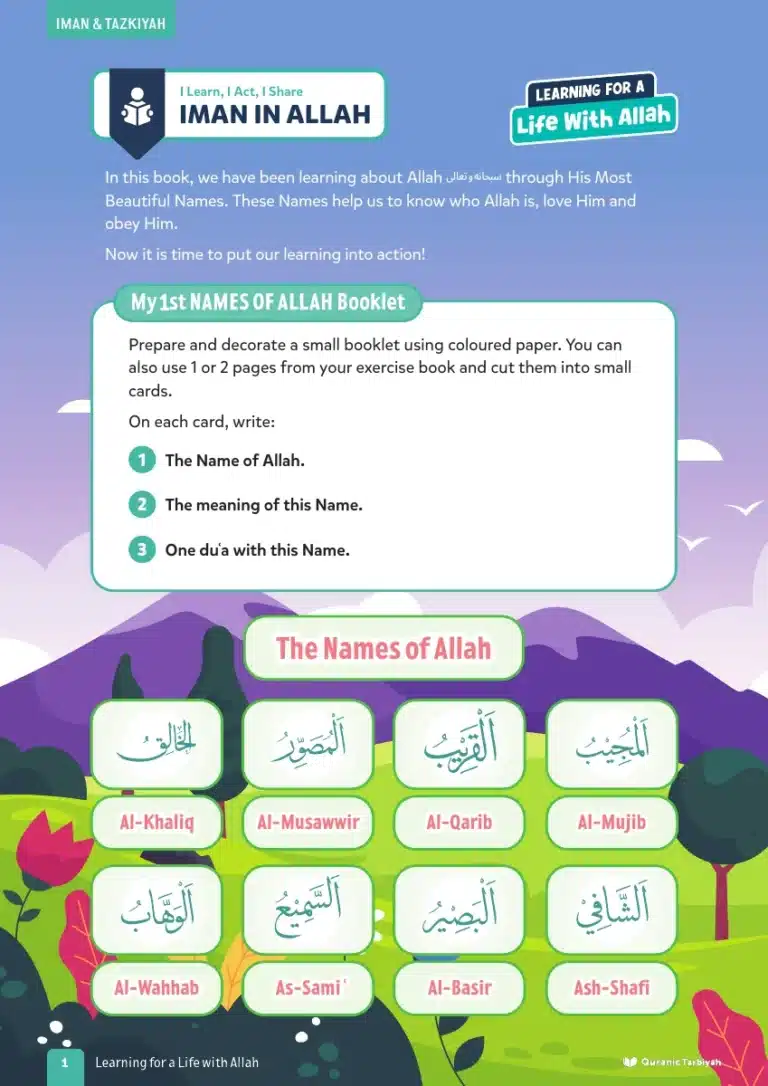
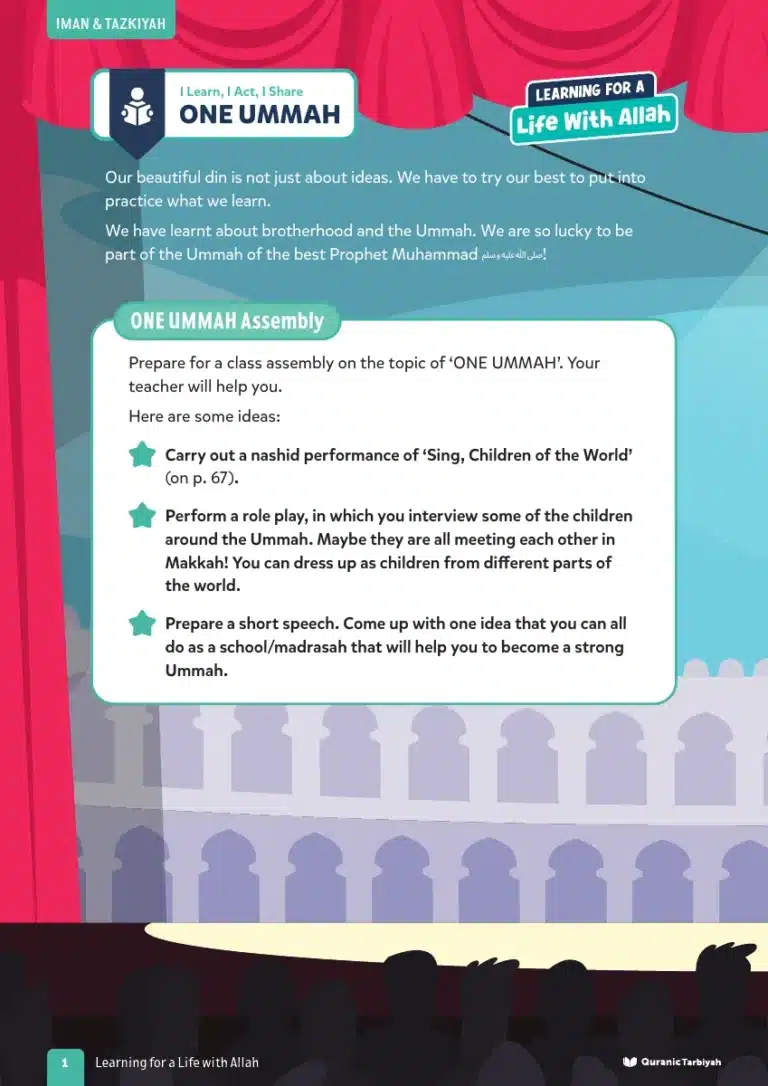
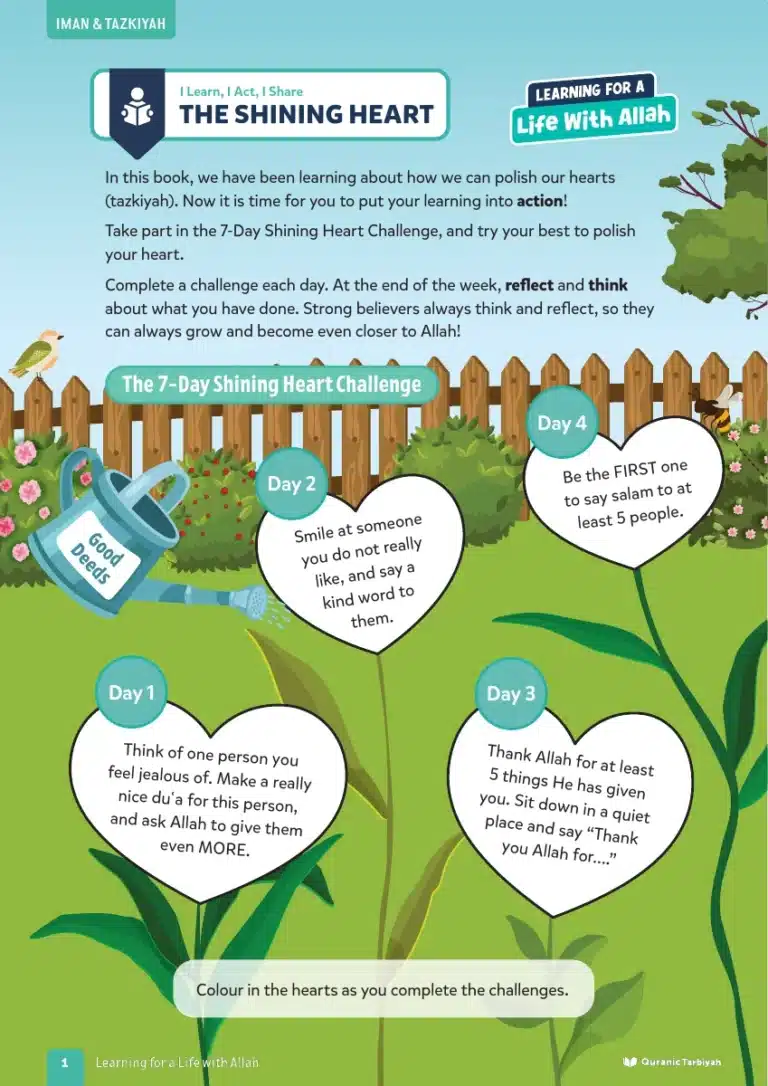
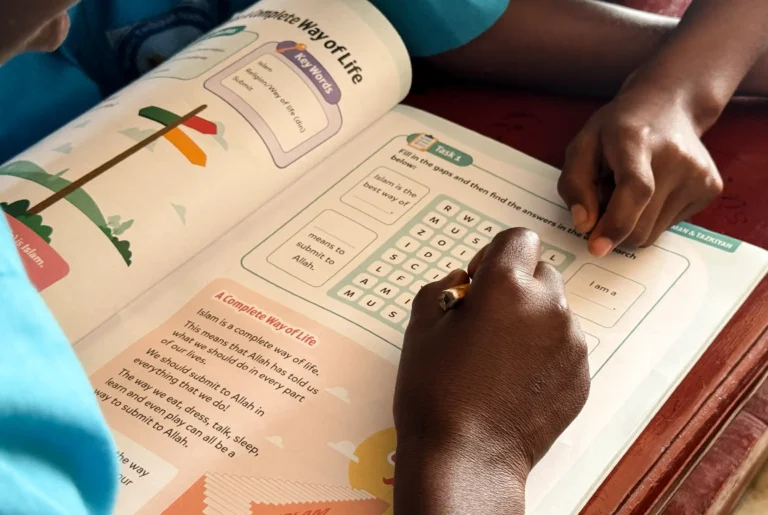
If you are looking for ideas, you may find the free Qur’anic Tarbiyah resources beneficial. Choose one of the books and work through it together at a pace that suits your family.
Enjoy the Outdoors

Children naturally love exploring, and the outdoors provides endless opportunities to appreciate Allah’s creation and form a deeper bond with Him.
A memorable day out does not have to be expensive. Visit local parks, forests, nature reserves, lakes, or walking trails. Pack a simple picnic, observe birds and insects, identify different trees and flowers, or simply enjoy being away from screens.
Rather than simply watching your children play, join them. Walk together, climb hills together, paddle in streams, build dens, skip stones, or play games as a family. Your presence and participation means more to them than the activity itself.
During your time outdoors, encourage your children to notice the signs of Allah around them. Ask simple questions:
- What beautiful things has Allah created that you can see?
- Which blessing are you most grateful for today?
- Which Name of Allah does this remind you of?
Make it a goal to enjoy a short walk together each day, even if it is just around the neighbourhood. These simple moments become treasured family memories and provide opportunity for reflection, conversation, and dhikr.
Make the Masjid an Essential Part of the Holiday
Let the masjid become one of the places your family loves to visit during the holidays. Pray together in congregation and help your children develop a love for ṣalāh and for the house of Allah.
Fathers should make a special effort to take their sons to the masjid regularly, especially from the age of seven onwards.
Praying in congregation, making ‘masjid’ friends, and feeling connected to the house of Allah creates positive associations that stay with children throughout their lives.
Learn Through Creativity
Help children spend less time on screens by encouraging creativity that matches their interests. Whether it’s painting, drawing, model-making, woodworking, or calligraphy, creative activities stimulate their imagination, improve concentration, and give them a sense of accomplishment.
After your Qur’ān circle or nature walk, encourage them to draw, paint, journal, or create something inspired by what they have learned.
Better still, join in yourself. Your enthusiasm is often the greatest encouragement and creating side by side naturally strengthens your relationship with your children.
Strengthen Family Ties

Some of the best memories are created at home.
Dust off the board games and spend an evening laughing together. Build a cosy indoor camp using blankets and cushions, roll out sleeping bags, enjoy simple snacks, and tell stories by torchlight.
Create a reading corner with books, cushions, and quiet time where everyone, including parents, puts away their phones for a while.
Reconnect with relatives and elders. In today’s digital world, many young people are becoming less confident in face-to-face conversations and social skills.
Coming together with family and friends improves social skills, strengthens bonds and creates memories that last far longer than another afternoon on a screen.
Cook, Serve and Share
Cooking together teaches far more than recipes. Children learn responsibility, patience, teamwork, and practical life skills. Some days, let them help choose what to make. One week you might bake together, another prepare a colourful salad, healthy lunch, savoury meal, or refreshing summer drink.
Then take it further:
Prepare extra portions to share with neighbours, elderly relatives, or families who may appreciate a thoughtful gift. These small acts of kindness teach generosity far better than any lecture.
Invite grandparents, family, friends or neighbours to share a meal. Children learn adab by observing it. Greeting guests warmly, listening respectfully, serving others, and showing kindness are all skills that flourish through practice.
Encourage your children to invite their own friends from time to time. Welcoming their friends into your home gives you the opportunity to get to know the people your children spend time with while teaching them the joy of hospitality.
Learn Skills for Life
The summer break is an excellent opportunity to teach children practical life skills. Involve them in shopping, organising the home, basic DIY, caring for younger siblings, and managing responsibilities appropriate to their age.
These are far more than household chores. They are valuable skills that help children become capable, responsible adults who are prepared to serve their families, communities and the Ummah.
Strengthen Body and Character
Encourage your children to be active and join them. Go for family walks, cycle together, swim, play outdoor games, hike local trails, and do a family sports day. Children are far more likely to develop healthy habits when they see their parents enjoying them too.
Learn a new activity together such as martial arts or archery. New challenges build resilience, discipline, and confidence.
Be Intentional with Screen Time

If you do choose to allow screen time, keep it limited and intentional. Set agreed times so children know what to expect and are less likely to keep asking throughout the day.
Watch beneficial series together as a family and use it as an opportunity to discuss lessons e.g. the Salahuddin series or Shaykh Fahd al-Kandari’s excellent Qur’an series (N.B. He also has other series about the Qur’ān, Allah’s signs, and the sīrah on his channel).
Make screen time edutainment, not passive entertainment. Watch with purpose and let every viewing increase your family in knowledge, positive values, and meaningful conversations.
Look After Yourself Too
The summer holidays can be wonderfully rewarding, but they can also be tiring.
Remember that caring for your family includes caring for yourself. Try to build small moments of rest into your day. Wake a little earlier for quiet ʿibādah, enjoy a cup of tea while the children play independently nearby, or ask your spouse or another trusted family member to take over for a short while when possible.
Looking after yourself is not about withdrawing from your family. It is about recognising that a parent who is spiritually, emotionally, and physically replenished is often better able to show patience, warmth, and presence.
Don’t Chase Perfection
When the holidays end, your children probably won’t remember every outing or activity.
They will remember the atmosphere in your home.
Did you laugh with them? Pray with them? Make them feel loved? Spend time talking to them instead of scrolling? Live Islam naturally in everyday family life?
You do not need a perfect summer.
A summer filled with acts of worship, meaningful conversations, shared meals, laughter, kindness, and quality time together may be exactly what your family needs.
May Allah place barakah in our time, strengthen our families, and make our homes places where īmān, love, and beautiful character flourish. Āmīn.